Swakopmund, a coastal city in Namibia, was founded in 1892 as the main harbor for German South West Africa, now Namibia. Established by German settlers under Captain Curt von François, it served as a key port for trade and military purposes after Germany annexed the region in 1884. The city’s name, derived from the Nama word "Tsoakhaub" (meaning "excrement opening"), refers to the Swakop River’s muddy flow into the Atlantic Ocean.
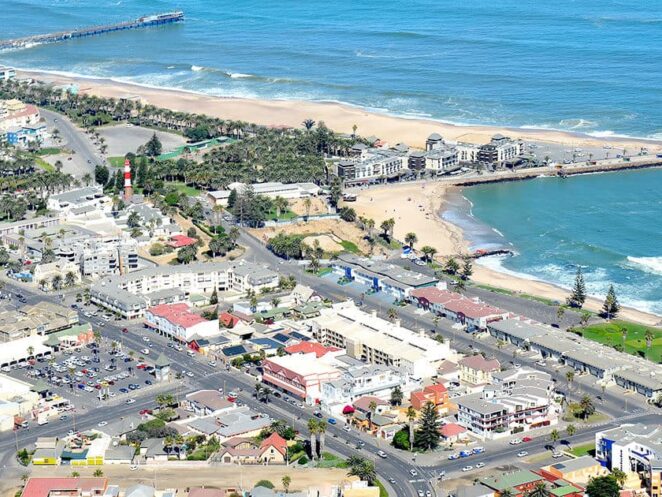
During German colonial rule (1884–1915), Swakopmund became a hub for settlers, with notable infrastructure like the Swakopmund Jetty (1905) and the iconic Hohenzollernhaus built. Its German architectural influence, including buildings like the Altes Gefängnis (old prison), remains a hallmark today. After World War I, South Africa took control under a League of Nations mandate, and Walvis Bay surpassed Swakopmund as the primary port due to its deeper harbor.
In the 20th century, Swakopmund evolved into a resort destination, attracting tourists with its cool climate, beaches, and colonial charm. Its economy grew through tourism, fishing, and nearby mining (uranium and salt). During Namibia’s independence struggle, Swakopmund was a focal point for anti-apartheid activism. After independence in 1990, it became a cultural and economic center, known for adventure tourism (dune boarding, quad biking) and its blend of German, Namibian, and Afrikaans cultures.
Today, Swakopmund is Namibia’s second-largest city, with a population of about 45,000, and remains a tourist hotspot, often called the "adventure capital" of Namibia, while preserving its colonial heritage through landmarks like the Swakopmund Lighthouse and the German Evangelical Lutheran Church.